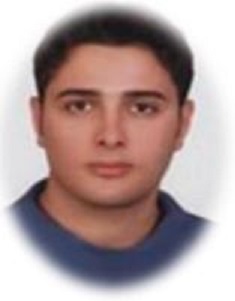
Mohammad Mehdi Ommati (Shiraz University of Medical Sciences Stem Cell and Transgenic Technology Research Centre)
Associate Professor, Henan University of Science and Technology, Luoyang, Henan · China
Editorial leadership for Journal of Psychological Disorders
Research interests
- Sperm
- Blood Parameters; Immuno-Suppression Methods In Fertility; Reproductive Cell Culture
Biography
Mohammad Mehdi Ommati is an Associate Professor at Henan University of Science and Technology in Luoyang, Henan, China, specializing in reproductive toxicology and physiology with particular focus on sperm and blood parameters, immuno-suppression methods in fertility, and reproductive cell culture. He received his training at Shiraz University of Medical Sciences Stem Cell and Transgenic Technology Research Centre and has published over 26 indexed articles investigating the intersections of environmental toxicology and reproductive health. His most-cited work, "The mechanisms of arsenic-induced ovotoxicity, ultrastructural alterations, and autophagic related paths: An enduring developmental study in folliculogenesis of mice" (2020), has garnered 65 citations and exemplifies his commitment to understanding toxicological impacts on fertility. Dr. Ommati brings academic, industrial, and clinical experience to collaborative research addressing reproduction and fertility challenges in the context of environmental exposures.
Considering JPD for your work?
This journal is guided by Mohammad Mehdi Ommati (Associate Professor, Henan University of Science and Technology, Luoyang, Henan) and a peer-review board of practising researchers. Open access, author-retained copyright (CC BY), and a clear editorial process.